Get Arborist Pruning
Arborist pruning services help property owners improve tree health, safety, and appearance by removing dead or hazardous branches and shaping trees for optimal growth.
Arborist pruning services are an important consideration for property owners seeking to maintain healthy, attractive trees. Proper pruning can enhance the safety and appearance of a landscape, prevent potential hazards caused by overgrown or damaged branches, and support the overall health of trees. Whether planning a routine maintenance project or addressing specific concerns, property owners in the area can find experienced local contractors ready to assist with professional pruning solutions.
Exploring options for arborist pruning involves comparing the expertise and services offered by different local providers. It’s beneficial to consider the range of pruning techniques available and how they align with the unique needs of each property. By reviewing local service providers, property owners can identify qualified professionals capable of delivering tailored pruning work that supports both safety and landscape aesthetics. Keep reading to discover how to connect with trusted local contractors for your arborist pruning needs.
- Tree Trimming - needed when trees are overgrown and require shaping or clearance.
- Deadwood Removal - necessary to eliminate hazardous or diseased branches that could fall.
- Structural Pruning - used to improve tree stability and health after storm damage or for safety reasons.
- Thinning - appropriate when trees need to reduce density to allow better light and air flow.
- Crown Reduction - performed to decrease the height or spread of a tree to prevent interference with structures or power lines.
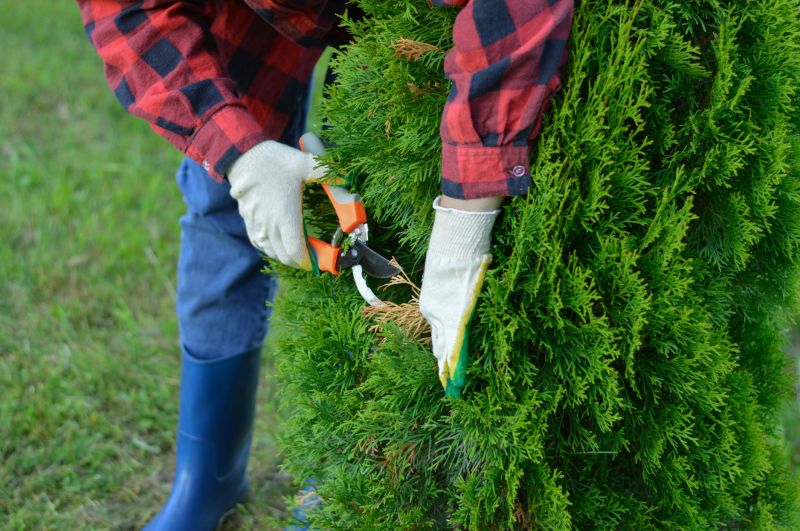
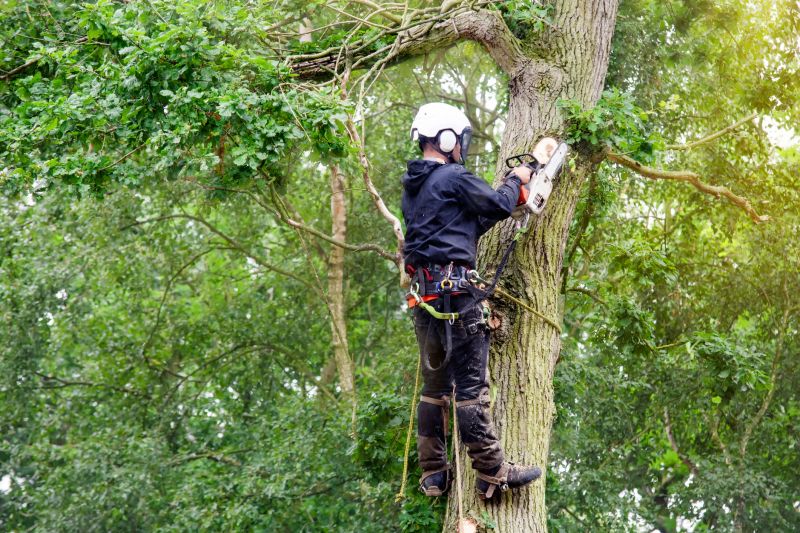
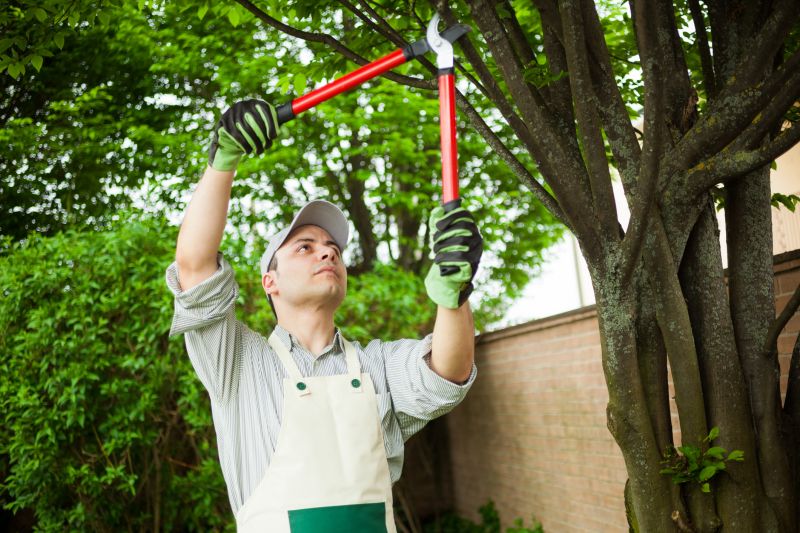
Arborist pruning services involve carefully trimming and shaping trees to promote their health and appearance. This work includes removing dead, diseased, or damaged branches, as well as strategically cutting back growth to improve airflow and sunlight exposure. Proper pruning helps maintain the structural integrity of trees, reducing the risk of falling branches or other hazards. Professional arborists use specialized techniques to ensure that each cut supports the tree’s natural growth patterns and long-term vitality.
These services are particularly helpful for addressing common tree problems such as overcrowding, uneven growth, or branches that interfere with power lines, buildings, or walkways. Overgrown trees can become unstable or pose safety concerns if not maintained properly. Additionally, pruning can prevent the spread of pests and disease by removing affected limbs early. Whether a tree has become too large for its space or shows signs of decay, professional pruning can help extend its lifespan and keep the property safe.
Property types that frequently utilize arborist pruning services include residential yards, commercial landscapes, parks, and community spaces. Homeowners often seek pruning to enhance curb appeal, maintain safety around children and pets, or prepare trees for seasonal storms. Commercial property managers and landscapers rely on these services to keep trees healthy and visually appealing, ensuring that large trees do not obstruct signage or pathways. In all cases, professional pruning helps preserve the beauty and safety of outdoor environments.
Homeowners should consider arborist pruning when trees become overgrown, show signs of disease, or develop structural issues like weak branches or leaning trunks. Regular pruning can prevent potential hazards, improve the overall health of the trees, and support the aesthetic value of the property. When unsure whether pruning is needed, contacting local contractors can provide expert advice tailored to the specific needs of each tree and property. This proactive approach ensures that trees remain safe, healthy, and attractive for years to come.
The overview below groups typical Arborist Pruning projects into broad ranges so you can see how smaller, mid-sized, and larger jobs often compare in your area.
In many markets, a large share of routine jobs stays in the lower and middle ranges, while only a smaller percentage of projects moves into the highest bands when the work is more complex or site conditions are harder than average.
Smaller Repairs - Basic pruning or trimming jobs typically range from $150-$400, covering routine maintenance for individual trees or small groups. Many projects fall within this range, especially for straightforward tasks. Larger or more complex repairs can cost more, but are less common in this category.
Medium-Scale Pruning - Moderate pruning services for larger trees or multiple trees usually cost between $400-$1,200. These projects often include shaping or removal of dead branches and are common for regular tree care. Larger projects tend to push into the higher end of this range.
Large Tree Removal - Removing a mature or hazardous tree generally costs from $1,000-$3,000, depending on size, location, and complexity. Many local contractors handle these projects regularly within this range, though very large or difficult removals can exceed $3,000.
Full Tree Rejuvenation or Crown Reduction - Extensive pruning or crown reduction for large, mature trees can range from $2,500-$5,000+ for complex or multi-day projects. Such jobs are less frequent but handled by experienced local pros when needed, with costs increasing for more intricate work.
Actual totals will depend on details like access to the work area, the scope of the project, and the materials selected, so use these as general starting points rather than exact figures.
Tree Removal - professionals skilled in safely removing trees often use pruning techniques to manage tree health and prevent hazards.
Stump Grinding - stump grinding requires precision tools and planning similar to pruning to ensure safe and effective removal of remaining tree parts.
Landscape Maintenance - landscape maintenance includes pruning and trimming to promote healthy growth and aesthetic appeal of trees and shrubs.
Hedge Trimming - hedge trimming involves shaping and maintaining plant growth with skills and tools comparable to arborist pruning.
Danger Tree Assessment - evaluating potentially hazardous trees involves understanding tree structure and planning appropriate pruning or removal strategies.
Fruit Tree Pruning - specialized pruning of fruit trees shares techniques and planning considerations with arborist pruning to optimize fruit production.
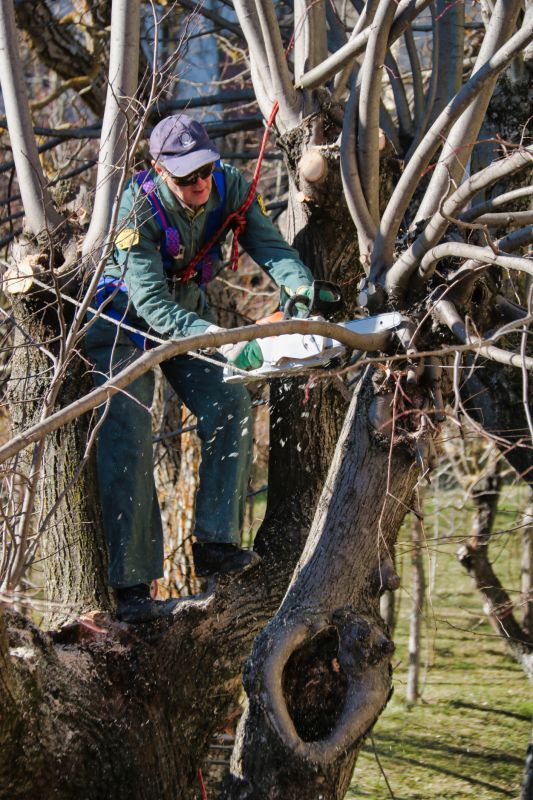
When evaluating arborist pruning services, it’s important to consider the experience of local contractors with similar projects. An experienced professional will have a history of working on trees comparable to those on your property, ensuring they understand the specific needs and challenges involved. Asking for details about their past projects can provide insight into their expertise and help determine if they have the appropriate background to handle your tree pruning effectively.
Clear, written expectations are vital for a successful project. Reputable service providers should be able to communicate their approach, scope of work, and any necessary preparations or considerations in a straightforward manner. Having this information in writing helps prevent misunderstandings and ensures both parties are aligned on what the project entails, fostering a smoother experience from start to finish.
Good communication and reputable references are key indicators of a trustworthy arborist pruning service. Service providers who are responsive and transparent about their processes tend to deliver better results. Additionally, requesting references or reviews from previous clients can offer valuable perspectives on the quality of their work and professionalism. Remember, the goal is to find local contractors who can handle the job reliably, not to perform the work directly.
Property owners use Arborist Pruning services for practical projects around their homes and businesses. This guide focuses on everyday jobs and straightforward project options.
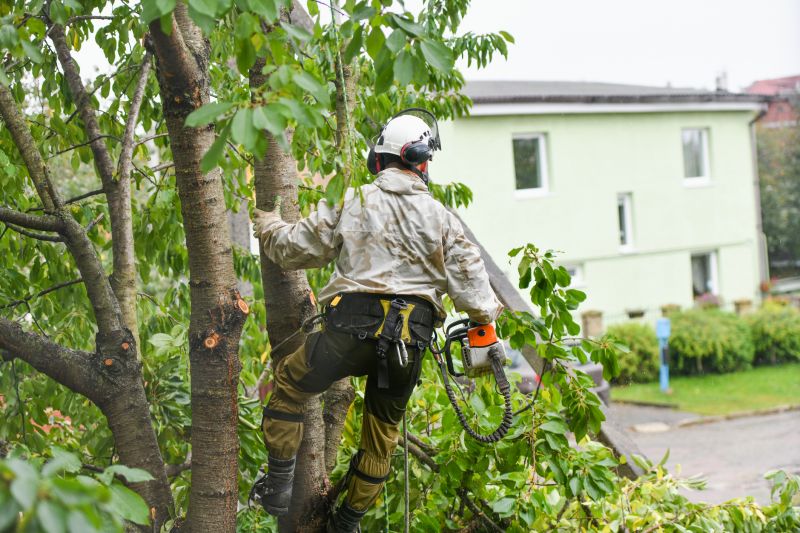
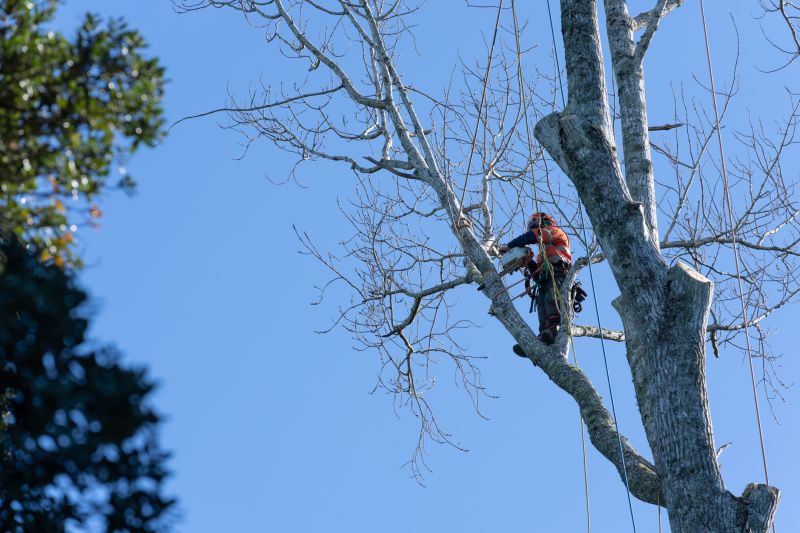
Arborist pruning services are often needed for routine maintenance or safety reasons around residential and commercial properties. Property owners might seek these services to remove dead or overgrown branches that could pose a risk during storms, or to shape trees for a more attractive landscape appearance. Additionally, pruning can help promote healthy growth, prevent disease, and ensure trees do not interfere with power lines, structures, or walkways.
Local contractors specializing in arborist pruning are equipped to handle a variety of project situations, from trimming trees to enhance curb appeal to managing overgrown canopies that block sunlight or obstruct views. Whether addressing a specific safety concern or maintaining the aesthetic appeal of a property, these service providers can assess the needs of each tree and perform the necessary pruning work efficiently and safely.
What is arborist pruning? Arborist pruning involves selectively trimming and shaping trees to promote healthy growth, improve appearance, and remove dead or hazardous branches.
Why should I consider professional pruning services? Professional pruning ensures trees are cared for properly, reducing the risk of damage and enhancing their overall health and safety.
What types of pruning do local contractors provide? Local service providers typically offer crown thinning, crown reduction, deadwood removal, and structural pruning tailored to each tree's needs.
How can arborist pruning benefit my landscape? Proper pruning can improve the aesthetic appeal of trees, prevent potential hazards, and support the long-term vitality of your landscape.
How do I find qualified local arborist pruning services? You can compare and connect with local contractors through a lead generation platform that matches homeowners with experienced service providers in the area.
Tree Health Maintenance - Regular pruning helps keep trees healthy and promotes vigorous growth, reducing the risk of disease or decay.
Safety and Clearance - Pruning can remove overgrown branches that obstruct pathways, driveways, or power lines, ensuring safe access around the property.
Aesthetic Enhancement - Proper trimming enhances the appearance of trees and landscapes, creating a more attractive outdoor environment.
Storm Damage Prevention - Pruning weak or damaged branches minimizes the chance of falling debris during storms, protecting property and people.
If you are thinking about Arborist Pruning for a property, this guide is meant to help you understand the work, the typical project types, and how different options might fit your plans.
When you are ready, you can use the quote form on this page to share a few details about your project. From there, local pros can review the basics and respond with options that match what you have in mind.